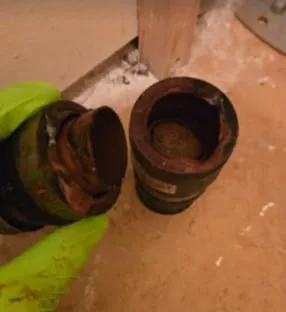
Last week, we received an urgent call from a long-time client in Mississauga reporting water backing up into their basement despite their sump pump running continuously. Upon inspection, our team discovered a failed check valve that was allowing water to flow back into the sump pit immediately after being pumped out — creating an endless cycle that wasted energy and left the property vulnerable to flooding.
This case perfectly illustrates why annual sump pump maintenance isn't just recommended — it's essential. A simple check valve inspection could have prevented this emergency situation and the associated stress, water damage risk, and higher repair costs that come with reactive maintenance.
Why Annual Sump Pump Maintenance Matters
Sump pumps are your property's first line of defense against basement flooding, yet they're often forgotten until they fail. Unlike visible plumbing fixtures that show obvious signs of wear, sump pumps operate out of sight in basement pits, making problems easy to overlook until they become critical failures.
The Hidden Nature of Sump Pump Problems
Most sump pump issues develop gradually over months or years. Components wear down due to regular use, debris accumulation, and exposure to moisture. By the time symptoms become noticeable — such as unusual noises, frequent cycling, or visible water damage — the problem has often progressed to a point requiring emergency repairs rather than simple maintenance.
Annual maintenance creates opportunities to identify and address minor issues before they escalate into major failures. During our Mississauga service call, we found that the check valve had been showing signs of deterioration for months — mineral deposits around the valve housing, slight corrosion on metal components, and intermittent back-flow that the homeowner attributed to 'normal operation.'
Seasonal Stress Factors
Greater Toronto Area properties face unique seasonal challenges that put extra stress on sump pump systems. Spring snowmelt, summer thunderstorms, and fall freeze-thaw cycles create varying demands on drainage systems throughout the year. Annual maintenance ensures your sump pump is prepared for peak demand periods when failure would be most catastrophic.
Common Sump Pump Failure Points
Understanding where sump pumps typically fail helps property owners recognize early warning signs and prioritize maintenance efforts. Based on our service experience across the GTA, these are the most common failure points:
Check Valve Failures
Check valves prevent water from flowing back into the sump pit after being pumped out. When they fail, pumped water immediately returns to the pit, forcing the pump to work continuously without actually removing water from the area. This creates a dangerous situation where the pump runs constantly, overheats, and eventually burns out while providing no flood protection.
Check valve problems typically develop due to debris accumulation, mineral buildup, or component corrosion. In the Mississauga case, years of mineral-rich groundwater had gradually corroded the valve mechanism, preventing it from sealing properly.
Float Switch Malfunctions
Float switches trigger pump activation when water levels rise. Mechanical float switches can stick in the 'on' or 'off' position due to debris, corrosion, or mechanical wear. A stuck 'on' switch causes continuous pump operation and premature motor failure. A stuck 'off' switch prevents pump activation, leaving the property completely vulnerable to flooding.
Discharge Pipe Problems
The discharge pipe carries water from the pump to the exterior drainage point. Common problems include pipe blockages from debris or ice, loose connections that allow water to leak back toward the foundation, and inadequate pipe sizing that restricts flow and overworks the pump.
Motor and Electrical Issues
Pump motors face constant exposure to moisture and intermittent heavy workloads. Electrical connections can corrode, motor windings can fail due to overheating, and power supply issues can prevent proper pump operation. Many motor problems develop gradually, with declining pump performance serving as an early warning sign.
Recognizing Check Valve Problems Early
Check valve issues often present subtle early warning signs that property owners can learn to recognize. Catching these problems early prevents complete system failure and reduces repair costs significantly.
Audible Warning Signs
- Water hammer sounds when the pump shuts off — indicating the check valve isn't closing smoothly
- Continuous pump cycling even when water levels appear stable
- Gurgling or back-flow sounds from the discharge pipe
- Unusual vibrations or rattling from the pump assembly
Visual Indicators
- Water level in the sump pit drops immediately after pumping but quickly returns to the same level
- Mineral stains or corrosion visible around the check valve housing
- Debris accumulation near the valve or in the discharge pipe
- Pump runs frequently during dry periods when groundwater levels should be low
Performance Changes
Property owners should monitor pump performance patterns throughout the year. Changes in cycling frequency, pump run duration, or water removal effectiveness often indicate developing problems. The Mississauga client mentioned their pump had been running more frequently over the past few months, but they assumed this was due to seasonal groundwater changes rather than equipment problems.
Comprehensive Annual Maintenance Checklist
Proper sump pump maintenance involves systematic inspection and servicing of all system components. Property owners can perform basic maintenance tasks, while complex repairs should be handled by qualified drainage professionals.
Pre-Inspection Safety
- Turn off electrical power to the sump pump at the circuit breaker
- Ensure adequate lighting in the work area
- Have a backup water removal method available (shop vacuum, buckets)
- Wear appropriate personal protective equipment
Sump Pit Inspection and Cleaning
- Remove debris, sediment, and mineral buildup from the pit
- Check pit walls for cracks or damage that could allow soil infiltration
- Verify the pit cover fits properly and seals effectively
- Inspect pit drainage connections for proper alignment and sealing
Pump Component Inspection
- Test float switch operation by manually lifting the float mechanism
- Inspect pump housing for cracks, corrosion, or mineral buildup
- Check electrical connections for corrosion, loose wires, or damage
- Verify pump mounting and alignment in the pit
Check Valve Service
- Remove and inspect the check valve for debris, corrosion, or damage
- Test valve operation by manually opening and closing the mechanism
- Clean mineral deposits and debris from valve components
- Replace the valve if corrosion, wear, or damage is present
Discharge System Check
- Trace the discharge pipe from pump to exterior outlet
- Check all pipe connections for leaks or looseness
- Verify proper pipe slope for drainage
- Clear any blockages from the exterior discharge point
System Testing
- Restore electrical power and test pump operation
- Pour water into the pit to test automatic activation
- Monitor pump performance during a complete cycle
- Verify water is discharged properly and doesn't return to the pit
Cost Analysis: Preventive Maintenance vs. Emergency Repairs
The financial case for annual sump pump maintenance becomes clear when comparing preventive care costs against emergency repair and water damage expenses.
Preventive Maintenance Investment
Annual professional sump pump maintenance typically costs {{MAINTENANCE_COST_RANGE}} depending on system complexity and accessibility. This service includes comprehensive inspection, cleaning, component testing, and minor repairs or adjustments. When performed consistently, preventive maintenance extends pump life to {{PUMP_LIFESPAN_YEARS}} years and prevents most emergency failures.
Emergency Repair Costs
Emergency sump pump repairs typically cost {{EMERGENCY_REPAIR_RANGE}} for parts and labor, often including premium pricing for after-hours or weekend service calls. Complex failures requiring pump replacement, electrical work, or discharge system repairs can easily exceed {{MAJOR_REPAIR_COST}}.
In the Mississauga case, the failed check valve created additional problems. Continuous pump operation caused motor overheating that damaged internal components, turning a simple valve replacement into a complete pump rebuild. The total repair cost was nearly {{CASE_REPAIR_MULTIPLE}} times higher than it would have been if the valve had been replaced during routine maintenance.
Water Damage Prevention
The most significant financial benefit of sump pump maintenance is preventing basement flooding. Water damage restoration costs vary widely based on the affected area, materials involved, and contamination level, but even minor flooding typically requires {{WATER_DAMAGE_MIN}} in immediate cleanup and repair work.
Major basement floods can cause {{MAJOR_FLOOD_RANGE}} in damage when finished spaces, appliances, and personal belongings are affected. Insurance coverage for sump pump failures varies significantly, and many policies exclude coverage for maintenance-related failures that could have been prevented.
When to Call Professional Drainage Specialists
While property owners can perform basic sump pump maintenance tasks, certain situations require professional expertise and specialized equipment.
Complex System Configurations
Properties with multiple sump pumps, backup battery systems, or integrated drainage networks require professional service to ensure all components work together effectively. Improper maintenance of complex systems can create new problems or leave critical backup systems non-functional.
Electrical Safety Concerns
Sump pump electrical systems operate in high-moisture environments and require specialized knowledge to service safely. Any electrical issues, from corroded connections to motor problems, should be addressed by qualified professionals to prevent safety hazards.
Warranty Considerations
Many sump pump manufacturers require professional maintenance to maintain warranty coverage. DIY repairs or maintenance can void warranties and leave property owners responsible for full replacement costs if major components fail.
Seasonal Maintenance Scheduling
Timing sump pump maintenance to align with seasonal drainage demands maximizes system reliability when it's needed most.
Spring Preparation
Early spring maintenance prepares sump pumps for snowmelt and spring storm season. This timing allows repairs to be completed before peak demand periods and ensures systems are ready for the year's heaviest workload.
Fall System Check
A secondary fall inspection focuses on preparing systems for winter conditions, including freeze protection for discharge pipes and ensuring backup power systems are functional. Fall maintenance also provides an opportunity to address any problems discovered during the active drainage season.
Don't wait for a check valve failure to threaten your property. Schedule comprehensive sump pump maintenance with MT Catch Basin to ensure reliable basement flood protection year-round.
Call (647) 372-5326 Get Free Quote