




Why Regular Oil Interceptor Pump-Outs Are Essential
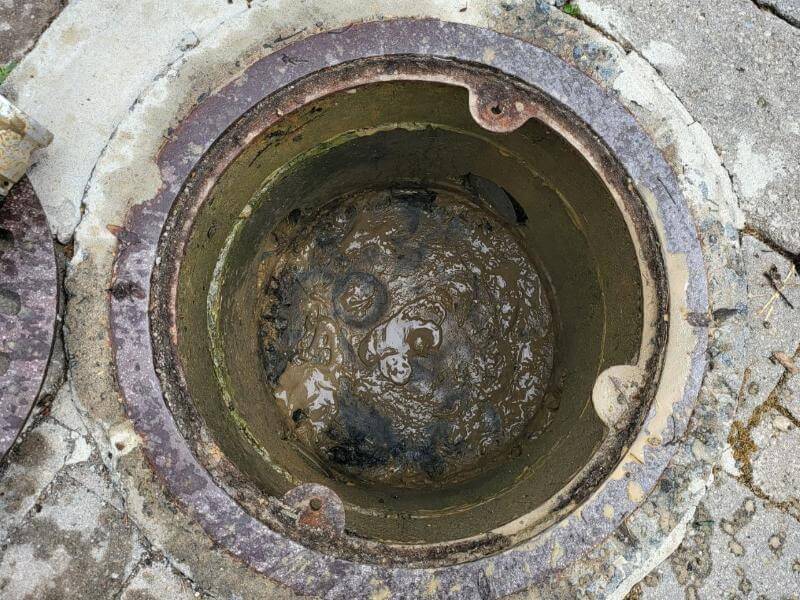
Oil interceptors (also called oil-water separators) are designed to separate oils, grease, and hydrocarbons from wastewater before it enters the storm sewer system. Over time, these interceptors fill with accumulated sludge, oils, and debris that reduce their separation capacity. When an interceptor reaches capacity, contaminants bypass the system and flow directly into municipal drainage — violating environmental regulations and potentially resulting in significant fines.
Regular pump-outs maintain your interceptor's efficiency, keep you in compliance with municipal bylaws, and prevent the kind of catastrophic blockages that lead to emergency callouts and facility shutdowns. Most municipalities require pump-out when the interceptor reaches 25% capacity — waiting longer than this puts your business at risk.

Industries That Require Oil Interceptor Pump-Out
Auto Repair Shops & Dealerships
Engine oil, transmission fluid, brake fluid, and coolant all end up in floor drains. Auto repair facilities generate some of the highest volumes of hydrocarbon waste, requiring frequent pump-out schedules — often monthly or quarterly.
Industrial Facilities & Manufacturing
Machine oil, cutting fluids, and process runoff accumulate in interceptors at industrial sites. Heavy sediment loads from manufacturing processes compound the issue, requiring specialized vacuum equipment for thorough cleaning.
Fleet & Trucking Depots
Large vehicle fleets produce consistent volumes of oil, diesel, and hydraulic fluid waste. Depot interceptors handle high volumes and need regular scheduled service to prevent overflow during heavy rain events.
Car Washes & Auto Detailing Centres
Soap, wax, oil residue, and road grime all pass through car wash interceptors. The combination of water volume and contaminant diversity makes regular pump-out critical for these facilities.
Gas Stations & Fuelling Centres
Fuel spills, drips, and runoff make gas station interceptors especially critical. Environmental regulations for fuelling facilities are strict, and compliance documentation is essential for every pump-out.